

The safest wood for a sauna is kiln-dried, low-resin, non-toxic, and thermally stable timber such as Western Red Cedar, Hemlock, Aspen, Alder, or thermo-treated pine. Sauna wood safety directly affects indoor air quality, skin contact comfort, structural durability, and long-term maintenance—especially in commercial spa, hotel, and wellness installations.
In high-temperature environments, wood releases natural compounds. If the material contains excess resin, chemical treatments, or formaldehyde-based adhesives, heat accelerates off-gassing. For international B2B buyers sourcing from manufacturers such as Geyser Steam Room, material safety is critical to regulatory compliance, user health protection, and brand reputation.
This guide explains what makes sauna wood safe, compares the top timber options, and outlines certification standards required for global procurement.
Why Does Sauna Wood Safety Matter?

Unsafe wood creates five major risks:
-
Resin leakage that causes surface burns
-
Volatile organic compound (VOC) emission affecting respiratory comfort
-
Warping and cracking due to thermal instability
-
Mold growth from poor moisture resistance
-
Surface splintering reduces user comfort
Commercial wellness facilities prioritize safe timber because guests experience prolonged skin contact with benches, backrests, and walls. Material selection directly impacts customer satisfaction scores, maintenance costs, and post-installation warranty claims.
Understanding safety criteria clarifies why not all softwoods are suitable for sauna construction.
What Makes Wood “Safe” for Sauna Use?
Safe sauna wood meets 6 technical criteria:
1. Low Resin Content
Low resin reduces sap bleeding under high heat. Sap leakage increases surface temperature and causes stickiness.
2. Non-Toxic Composition
Sauna wood must remain untreated or free from varnish, lacquer, and formaldehyde-based glue. Heat accelerates chemical off-gassing.
3. Hypoallergenic Properties
Certain aromatic woods trigger sensitivities. Hypoallergenic woods improve usability in medical and rehabilitation settings.
4. Moisture Resistance
Wood with tight grain structure resists swelling and microbial growth.
5. Thermal Stability
Stable timber maintains structural integrity during repeated heating cycles.
6. Kiln-Dried Certification
Kiln drying lowers the moisture content to 8–12%, reducing the risk of deformation.
These factors ensure structural safety and indoor air quality in both residential and export-grade sauna units.
Top 5 Safest Woods for Sauna Construction
1. Western Red Cedar 
Western Red Cedar is the premium sauna material due to its natural antimicrobial properties and dimensional stability. The wood contains natural thujaplicins that resist bacterial and insect attack. Its low density allows surfaces to remain cooler to the touch than those of hardwood alternatives.
Safety level: High
Durability: High
Maintenance: Low
Cedar suits luxury hotels, spa chains, and export-grade sauna rooms.
2. Canadian Hemlock
Hemlock is a non-aromatic, low-resin softwood widely used in infrared sauna construction. It provides consistent grain, smooth finish, and stable performance under moderate heat.
Safety level: High
Durability: Medium
Maintenance: Low
Hemlock benefits users sensitive to strong wood fragrance. Many infrared sauna manufacturers use hemlock for its hypoallergenic properties.
3. Aspen
Aspen is resin-free, odorless, and smooth to the skin. Medical-grade infrared saunas frequently use aspen due to its minimal allergenic potential.
Safety level: Very High
Durability: Medium
Maintenance: Medium
Aspen performs particularly well in controlled infrared environments operating at 45–65°C.
4. Alder
Alder provides excellent heat resistance and minimal knot formation. The wood darkens gradually over time, creating a warm aesthetic without compromising stability.
Safety level: High
Durability: Medium-High
Maintenance: Low
Alder is popular in European sauna designs due to its consistent performance.
5. Thermo-Treated Pine (Thermowood)
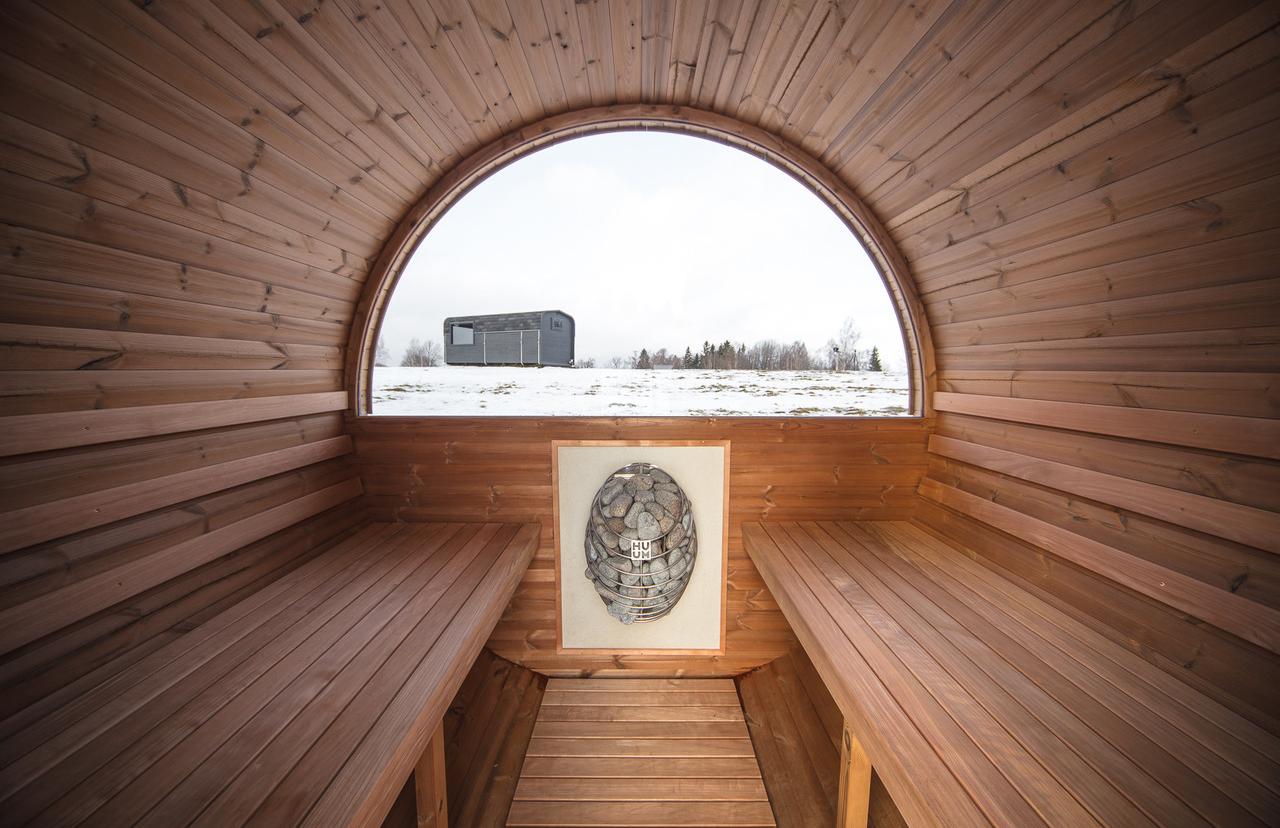


Safety level: Moderate–High
Durability: High
Maintenance: Low
Thermowood offers a cost-efficient solution for large-scale commercial installations.
Is Pine Safe for Sauna Use?
Untreated pine presents three concerns:
-
High resin content
-
Sap leakage under heat
-
Increased warping in humid environments
Pine becomes safe after kiln-drying and thermo-treatment. The treatment reduces volatile compounds and improves stability. Budget-conscious B2B buyers often select thermo-pine for large gym or residential projects.
Which Woods Should Be Avoided?
Avoid the following materials:
-
High-resin spruce
-
Chemically treated lumber
-
Lacquered or painted panels
-
Formaldehyde-bonded composite boards
Spruce releases sap at high temperatures. Composite boards emit formaldehyde gas when heated. Safety certification remains essential when sourcing imported timber.
Infrared vs. Traditional Saunas: Does Wood Selection Change?
Infrared saunas operate at lower ambient temperatures but involve longer skin contact. This increases exposure duration to surface emissions.
Recommended woods for infrared:
-
Aspen
-
Hemlock
-
Thermo-treated softwood
Traditional Finnish saunas require higher heat tolerance. Cedar and alder perform best in temperatures exceeding 80°C.
Manufacturers such as Geyser Steam Room integrate certified hemlock and cedar into both infrared and traditional lines to meet CE and ISO compliance standards.
What Certifications Should B2B Buyers Verify?
Professional importers should request:
-
FSC Certification – Sustainable forest sourcing
-
CE Marking – European conformity
-
ISO 9001 – Quality management systems
-
RoHS Compliance – Restriction of hazardous substances
-
Kiln-Drying Documentation – Moisture content verification
Certification reduces liability and ensures export compatibility.
Cost vs. Safety: ROI Comparison
| Wood Type | Cost | Safety | Durability | Maintenance |
|---|---|---|---|---|
| Cedar | $$$ | High | High | Low |
| Aspen | $$ | Very High | Medium | Medium |
| Hemlock | $$ | High | Medium | Low |
| Thermo-Pine | $ | Moderate–High | High | Low |
| Untreated Pine | $ | Low | Low | High |
Investing in certified timber lowers warranty claims and increases long-term brand trust.
Commercial Case Applications
-
Luxury hotel spas favor cedar for premium positioning.
-
Rehabilitation centers select Aspen for hypoallergenic interiors.
-
Fitness chains implement thermo-treated pine for cost-efficient expansion.
Strategic wood selection aligns with brand positioning and operational efficiency.
FAQs
What is the safest wood for a sauna?
Cedar, hemlock, aspen, alder, and thermo-treated pine rank as the safest sauna woods due to low VOCs and thermal stability.
Can untreated pine be used in a sauna?
Untreated pine is not recommended because high resin content causes sap leakage and warping.
Is cedar safe for people with allergies?
Cedar is safe for most users. Individuals with fragrance sensitivities may prefer aspen or hemlock.
What wood should never be used in a sauna?
Avoid chemically treated, painted, composite, or high-resin woods such as spruce.
Conclusion: Choosing the Safest Wood for Long-Term Performance
Selecting safe sauna wood ensures structural durability, indoor air quality, and regulatory compliance. Western Red Cedar, Aspen, Hemlock, Alder, and thermo-treated pine meet international performance standards when kiln-dried and certified.
Manufacturers such as Geyser Steam Room provide export-ready sauna rooms built with FSC-certified and CE-compliant materials for global partners.


